188 notes tagged as ["Brick-and-mortar"]
Filter your results by choosing one or more tags below or type your query in the search field above.
-

Small retailers running on Shopify can now put their shelves in front of DoorDash’s delivery audience without touching a spreadsheet. In a move announced this month, DoorDash has become a native sales channel inside Shopify’s App Store, letting any U.S. merchant with a physical store push its catalog to the delivery marketplace and its roughly 42 million monthly active users.
How the new channel works
-
Physical retail is increasingly defined by a small group of dominant players – Walmart, Target, Costco Wholesale, and Dollar General – that span grocery, essentials, and discretionary categories at a scale no other retailers can match. These chains serve as bellwethers of consumer behavior, revealing where Americans are spending, how often they shop, and what drives their decisions. And understanding their visitation patterns sheds light on the key dynamics shaping both their performance and the broader blueprint for retail success in 2026.
-

Every retailer we talk to has AI on the agenda right now. Whether it shows up as a board-level priority, a vendor slide, or a question from a prospect we are engaging with, the conversation is unavoidable. And for the most part, that’s a good thing. The store associate has needed better tools for a long time.
But as we have watched AI move from conference buzzwords into actual product roadmaps, one distinction keeps coming up that the industry is not talking about: where in the associate experience does AI actually belong.
-
You are currently enjoying the free trial mode which gives only back 3 results for each of your searches.
Click on Reset Search Tags to try another search.
Free NewsletterOnly paid members can get full access to the most recent content, create their own tags & personal folders, assign search results to specific projects and much more… all of this for less than 99c a day.
-
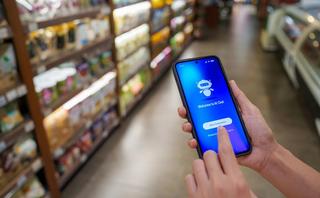
AI is making physical stores more important, not less
A new report by Colliers found that retailers are increasingly using AI to optimize store performance while expanding brick-and-mortar footprints. Physical stores aren’t just shopping destinations anymore, but are actually transforming into fulfillment hubs and support systems for both digital and physical commerce. Or at least that’s what Collier’s new report on how AI is redefining retail and real estate in 2026 found.
-

How AI is redefining retail real estate in 2026
Artificial intelligence is rapidly reshaping the retail landscape, changing how consumers shop, how retailers operate, and how real estate must perform. The Spring 2026 Retail Research Report explores how AI-driven decision-making, fulfillment workflows, and technology infrastructure are redefining the role of the physical store.
Today’s store is no longer just a place to transact. It is becoming a hub for logistics, customer engagement, and data-driven operations. Retailers are increasing technology investment at unprecedented levels, while landlords are rethinking property design to accommodate new infrastructure demands such as 5G connectivity, fulfillment space, and advanced digital systems.
-

How AI-powered shopping will impact brick-and-mortar retail
People thinking about the impact of agentic AI in retail focus, quite naturally, on how the digital shopper journey is being affected. But the rise of AI also is having a profound effect on brick-and-mortar retail.
Key takeaways:
Retailers will need to identify whether their stores serve a “convenience” or a “discovery” mission for shoppers as AI boosts customer product knowledge.
The decision will affect everything from store design and layout to product assortment and workforce KPIs.
-

AI in shopping: Transforming the retail ecosystem
The US retail landscape is entering a new era. As consumers accelerate their use of AI for making routine purchases, stores will remain a critical part of the shopping journey—but the role of the store will change. Store visits may become less frequent but more valuable.
In this environment, retailers and real estate players will need to clearly define the specific mission of each store and shopping center and determine how to meet consumers’ evolving needs—whether focused on convenience or discovery. The portfolio, operating, and investment decisions that these companies make over the next three to five years will determine which stores and centers earn their place in the future of shopping.
-
The state of stores
Amid the AI frenzy, retailers are still placing bets on brick and mortar, just more carefully. Nearly 78% report moderate or significant in-store investment, and about a third maintain a balanced mix of physical and digital channels, according to Morning Brew Inc. data. With more than 5,000 store openings forecast in 2026, according to Coresight Research, this wave is less about rapid expansion and more about strategic refinement.
-
Google 'Ask Maps' elevates local merchants
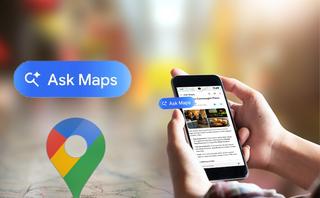
Google Maps latest AI-driven feature is a big opportunity for local businesses to elevate visibility. Consumers can now “Ask Maps” and receive local shopping or activity options in seconds. For example, I prompted “Any fun things to do this weekend?” and Maps returned local workshops, markets, and more. “Ask Maps” found many fun things to do.
The feature can drive traffic to local merchants for low-intent queries, i.e., when consumers are unaware of a business or its products. Here’s how to appear in “Ask Maps” AI responses.
-
Retailers are bringing AI into stores in many different ways
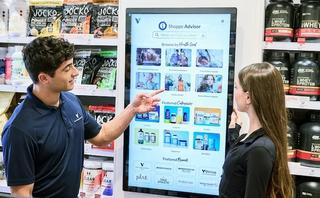
The application of artificial intelligence as a customer-facing element of physical stores is far from one-size-fits-all. In February, The Vitamin Shoppe opened an “innovation store” in New York City’s Upper East Side with a “Shoppe Advisor” touch screen. The AI-powered screen provides product information, wellness articles and videos, as well as information on in-store and online inventory. It aims to enable “more informed, interactive conversations throughout the shopping experience,” according to Retail Dive.
-

Consumers are choosing between convenience or experience
Holiday shopping trends revealed a sharp divide within the retail industry, and big-box stores are caught in the middle. Industry consumer spending data from the biggest pre-Christmas weekend of the year, Black Friday/Small Business Saturday, shows a clear bifurcation of shopping habits. Mid-market retailers report stagnant growth and missed targets, like Target’s 16 percent profit slip during Q3, but that’s really the result of consumer dollars headed in two directions: toward convenience shopping for commodities and experience-based shopping at local businesses.