335 notes tagged as ["Loyalty"]
Filter your results by choosing one or more tags below or type your query in the search field above.
-

Today’s highest-converting shoppers start their buying journey with AI. Sometimes they know exactly what they want. Other times, they just know what they need: relief from a headache, a warmer coat, a gift for someone impossible to shop for. Either way, they ask an AI assistant to narrow their options, get recommendations, and click through to a storefront with the decision mostly made, ready to buy.
-

Gift cards have come a long way from the laminated paper certificates tucked into birthday envelopes. Today, they sit at the intersection of payments, marketing, and customer experience. For modern retailers, the challenge isn’t just attracting customers; it’s keeping them. With high competition across both physical and digital channels, brands need tools that create genuine, lasting connections. Gift cards have emerged as exactly that: a bridge between transactional convenience and emotional loyalty. When done well, a gift card program doesn’t just store value — it builds it.
-
Loyalty programs spent the last few decades moving beyond points and discounts toward experiences, personalization, status and emotional affinity. The strongest brands understood a basic truth: Customers don’t stay loyal just because the math works. But when a shopper is being represented by an AI agent, what exactly will loyalty be measured against? And, more importantly, how do we know who we are actually rewarding?
-
You are currently enjoying the free trial mode which gives only back 3 results for each of your searches.
Click on Reset Search Tags to try another search.
Free NewsletterOnly paid members can get full access to the most recent content, create their own tags & personal folders, assign search results to specific projects and much more… all of this for less than 99c a day.
-
How to win loyalty in payments with AI
Digital wallets are projected to account for roughly half of all point-of-sale and e-commerce transactions by 2027. This, in addition to buy-now-pay-later options and merchants promoting their own cards, has made earning and maintaining cardholder loyalty a critical challenge. This playbook explores how card issuers can build customer loyalty by moving AI from background infrastructure to real-time, customer-facing decisioning by using the Earn, Keep, Protect strategic framework. This framework serves as a guide for program marketing leaders seeking to prioritize AI deployment across the cardholder lifecycle.
-

How can behavioral segmentation drive engagement and loyalty
Segmentation has long played a role in targeting different consumer groups. Demographics and location data were first, offering a powerful way to target customer segments based on what they’re likely to want.
With new technology, it’s now possible to understand consumers on an even deeper level. Customer habits and actions say a lot about their purchasing behavior, and understanding these factors is vital to optimizing our marketing campaigns.
-

How modern loyalty programs drive behaviour and revenue
Loyalty programs don’t fail quietly. They fail expensively. Budgets are tighter, discount fatigue is real and engagement alone no longer passes as proof that a program is working. CMOs are being asked a simpler, tougher question: What is loyalty actually changing and what value is it creating that wouldn’t exist otherwise?
Many programs create activity without changing outcomes, mistaking participation for progress while leaving incremental revenue on the table. Rewarding past purchases is just one part of the puzzle. The rest determines whether loyalty actually changes behavior.
-

Why marketers must rethink loyalty as AI reshapes consumer connections
Doubling down on first-party data and keeping closer tabs on communities are some of the ways to preserve brand relevance, according to new Gale research. Adopters of artificial intelligence tools like OpenAI’s ChatGPT and Google Gemini are starting to set more of their brand preferences within chatbots. In the grand vision of technology developers, agentic AI will eventually identify relevant products, seek them out online and even shop, all with relatively little direct user input. That poses significant challenges to building and maintaining brand loyalty, according to new findings from the Gale agency.
-
How AI is filtering and rewriting brand loyalty
Your brand is being filtered out. A seismic shift is fundamentally changing how consumers relate to loyalty, and most brands aren’t built for it. More than half of AI users have already turned to an AI assistant to help them decide where to shop, what to buy, or which brand to use.
And among all respondents, nearly 1 in 3 have gone a step further: deliberately opening an AI assistant — ChatGPT, Gemini, Copilot, and a growing field of others — and telling it which brands to favor above all others. It’s a deliberate hardcoding of their preferences directly into the algorithms that will shape every future recommendation they receive.
-
Checkout is now a loyalty strategy
The FreedomPay report reveals how checkout has quietly become the moment that makes or breaks customer loyalty, as rising expectations outpace outdated systems and force retail and hospitality leaders to rethink payments from the ground up. Consumers have more ways than ever to check out and pay. And they have strong opinions about how they want to do it.
The takeaway – checkout has become a make-or-break brand moment.
-
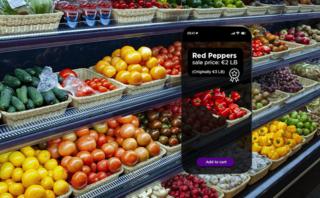
Loyalty without over-discounting
Everyday low price (EDLP) is a popular and viable operating model for many retailers, particularly in the grocery sector. The appeal to consumers is straightforward and powerful: consistent low prices, no promotions, no need to wait for a discount or deal. It is a model built on trust, and for the retailers that execute it well, that trust is a genuine competitive asset.
But even EDLP retailers grapple with how to grow visit frequency and basket size without compromising the price promise that defines their brand. Deeper discounts are not the answer. Smarter loyalty, powered by personalization, is.
-

How loyalty programs power lifecycle marketing strategies
Shifts in consumer behavior — specifically the desire for data privacy and instant, personalized recognition — and AI’s acceleration of the buying process are making traditional loyalty programs feel stale and pointless for brands and shoppers. Blanket discounts and traditional rewards aren’t what drive today’s consumers; they want value, relevance and trust in a brand. This is particularly true for Gen Z, who make purchase decisions faster and with purpose.